



Introduction
In recent years, consumers have become more conscious about where their food comes from. People now want meals that are not only delicious but also ethical, healthy, and environmentally responsible. One product that is gaining attention among chefs, food lovers, and sustainability advocates is jade venison.
Jade venison represents a new approach to high-quality deer meat production. It focuses on ethical harvesting, environmental responsibility, and premium culinary quality. This combination has turned it into a sought-after ingredient in modern kitchens.
From fine dining restaurants to home cooking enthusiasts, jade venison is redefining how people experience wild game meat. Its lean texture, rich flavor, and sustainable sourcing make it an appealing alternative to traditional red meats.
In this article, we will explore what jade venison is, why it is becoming popular, its nutritional value, and how you can cook it at home.
What Is Jade Venison?
Jade venison refers to deer meat sourced through sustainable and ethically managed wildlife systems. Unlike mass-produced meats, it focuses on responsible harvesting, animal welfare, and environmental balance.
The name “jade” symbolizes purity, quality, and natural harmony. It reflects the philosophy behind the product: delivering premium venison while respecting nature and wildlife ecosystems.
This approach often includes:
- Deer living in natural habitats rather than industrial farms
- Ethical and humane harvesting methods
- Transparent supply chains from field to plate
These practices help maintain ecological balance while producing meat that is both nutritious and flavorful. According to food sustainability discussions, responsible venison harvesting can also help manage deer populations and protect forests and farmland.
Because of this balance between conservation and food production, jade venison is increasingly viewed as a responsible alternative to conventional meats.
Why Jade Venison Is Becoming Popular
The rising popularity of jade venison is not a coincidence. Several trends in modern food culture are driving its demand.
First, people are looking for healthier protein options. Venison is naturally lean and contains less fat than many other red meats.
Second, sustainability has become a major concern. Consumers are increasingly choosing foods that support ethical farming and wildlife management.
Third, chefs are always searching for unique ingredients. Venison offers a deep, rich flavor that stands out in creative dishes.
Finally, the farm-to-table movement has pushed restaurants to highlight ingredients with transparent origins. Jade venison fits perfectly into this philosophy.
These factors combined have helped jade venison move from a niche product to a growing culinary trend.
Nutritional Benefits of Jade Venison
One of the biggest reasons people choose venison is its impressive nutritional profile. Compared with many traditional meats, it provides a high amount of protein with lower fat content.
A typical serving of venison contains:
- High-quality protein that supports muscle growth
- Iron that helps maintain healthy blood circulation
- B vitamins that support metabolism and energy levels
- Zinc that strengthens the immune system
Because deer are usually wild or free-ranging animals, their meat tends to be leaner and richer in nutrients. This makes jade venison a strong option for athletes, health-conscious eaters, and people following high-protein diets.
Another advantage is that venison often contains fewer additives and hormones than industrially produced meats.
The Unique Flavor Profile of Jade Venison
Flavor is where jade venison truly shines. Many people describe its taste as rich, earthy, and slightly sweet.
Unlike beef, which can be heavy and fatty, venison is lean and tender when prepared correctly. The flavor reflects the animal’s natural diet of grasses, herbs, and forest vegetation.
The taste also adapts beautifully to different cooking styles. Depending on the recipe, jade venison can be:
- Bold and smoky when grilled
- Deep and comforting in stews
- Elegant and refined in gourmet dishes
Because of its unique flavor, chefs often pair venison with ingredients like rosemary, garlic, juniper berries, mushrooms, or red wine.
These combinations enhance the natural character of the meat without overpowering it.
Cooking with Jade Venison
Cooking venison requires slightly different techniques compared with other meats. Since it is lean, it can become tough if overcooked.
The key is to cook it quickly at high heat or slowly with moisture.
Popular cooking methods include:
- Grilling venison steaks with herbs and olive oil
- Pan-searing medallions for a tender center
- Slow-cooking venison stew with vegetables and spices
- Using ground venison in burgers or tacos
Many chefs recommend marinating the meat before cooking. A marinade made with olive oil, garlic, rosemary, and citrus can help enhance flavor and maintain tenderness.
Another excellent method is sous-vide cooking, which allows the meat to stay juicy and perfectly cooked.
Jade Venison in Modern Restaurants
Restaurants around the world are embracing venison as a premium menu item. The shift toward sustainable ingredients has encouraged chefs to explore meats that align with environmental values.
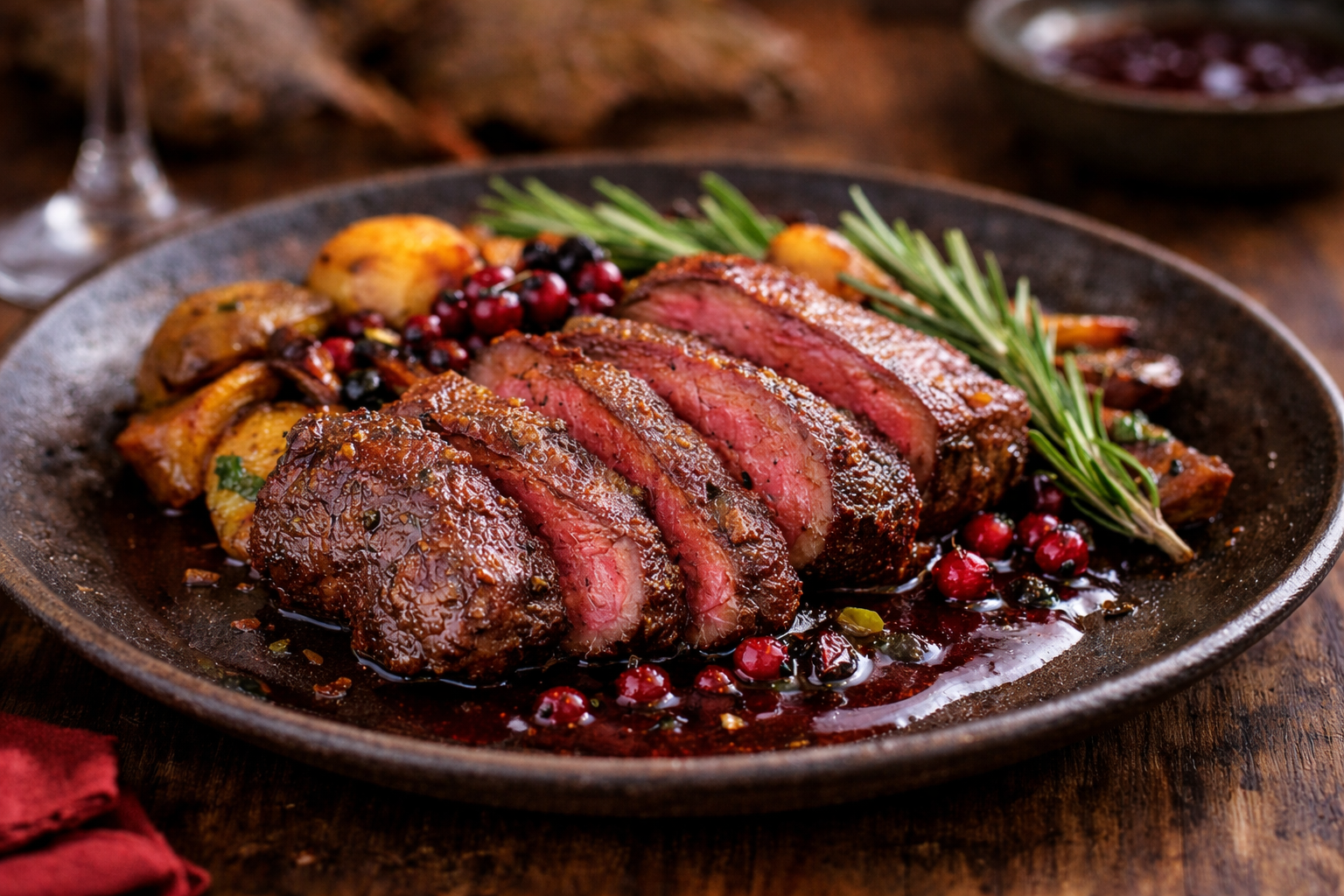
Fine dining establishments often serve venison with seasonal ingredients such as roasted root vegetables, berry sauces, or wild mushrooms.
The presentation typically highlights the elegance of the meat. Thin slices, carefully balanced sauces, and artistic plating turn venison dishes into memorable dining experiences.
Because of its luxurious reputation, jade venison is frequently featured in tasting menus and special seasonal dishes.
Environmental Impact and Sustainability
Sustainability is one of the strongest reasons behind jade venison’s growing reputation.
Traditional livestock farming can require large amounts of land, water, and feed. In contrast, responsible venison harvesting works with natural ecosystems rather than against them.
When managed properly, deer populations help maintain ecological balance. Ethical harvesting ensures that wildlife numbers remain stable while providing a natural food source.
Sustainable venison systems also reduce the environmental footprint associated with large-scale meat production.
Consumers who choose jade venison are therefore supporting both responsible food systems and environmental conservation.
Jade Venison and the Future of Ethical Meat
Food systems are evolving quickly. Consumers now demand transparency, sustainability, and high quality in their meals.
Jade venison represents a model for what ethical meat production could look like in the future.
By combining responsible wildlife management, humane harvesting, and premium culinary value, it offers a solution that satisfies both environmental concerns and gastronomic expectations.
As awareness grows, jade venison could become a staple ingredient in sustainable diets.
Restaurants, local producers, and home cooks are already exploring new ways to highlight this remarkable meat.
Conclusion
Jade venison is more than just a specialty meat. It represents a shift toward responsible eating, where quality, sustainability, and flavor come together.
Its lean nutritional profile, rich taste, and ethical sourcing make it a compelling alternative to conventional red meats. From gourmet restaurants to home kitchens, jade venison offers endless culinary possibilities.
As consumers continue seeking healthier and more sustainable foods, this premium venison is likely to play a larger role in the future of modern cuisine.
If you have the opportunity to try jade venison, take it. Whether grilled, braised, or slow-cooked, it delivers a unique dining experience that combines tradition, sustainability, and exceptional flavor.
FAQs About Jade Venison
What is jade venison?
Jade venison is deer meat sourced through sustainable and ethical harvesting practices. It focuses on environmental balance, humane treatment of animals, and premium culinary quality.
Is jade venison healthier than beef?
Yes, venison is generally leaner than beef and contains less fat while providing high levels of protein, iron, and essential vitamins.
What does jade venison taste like?
Jade venison has a rich, slightly earthy flavor with a tender texture. It is often described as deeper and more complex than beef.
How should jade venison be cooked?
Venison should be cooked quickly at high heat or slowly with moisture. Popular methods include grilling, pan-searing, braising, and sous-vide cooking.
Is jade venison environmentally friendly?
Yes. Responsible venison harvesting supports wildlife management and sustainable food systems while reducing the environmental impact associated with large-scale livestock farming.

