



Introduction
Many older buildings hide materials that were once considered safe but are now known to pose serious health risks. One such material is asbestlint, a fibrous residue associated with asbestos-containing products used in construction and manufacturing for decades.
Asbestlint may look harmless at first glance, often appearing as dusty fibers or lint-like particles. However, when disturbed, these fibers can become airborne and create a serious health hazard. Because of this, understanding what asbestlint is and how to handle it properly is essential for homeowners, construction workers, property managers, and renovation professionals.
In this guide, you will learn what asbestlint is, where it is commonly found, the potential health risks it carries, and the safest ways to manage or remove it. By the end, you will have practical knowledge that can help protect your health and maintain a safe environment.
What Is Asbestlint?
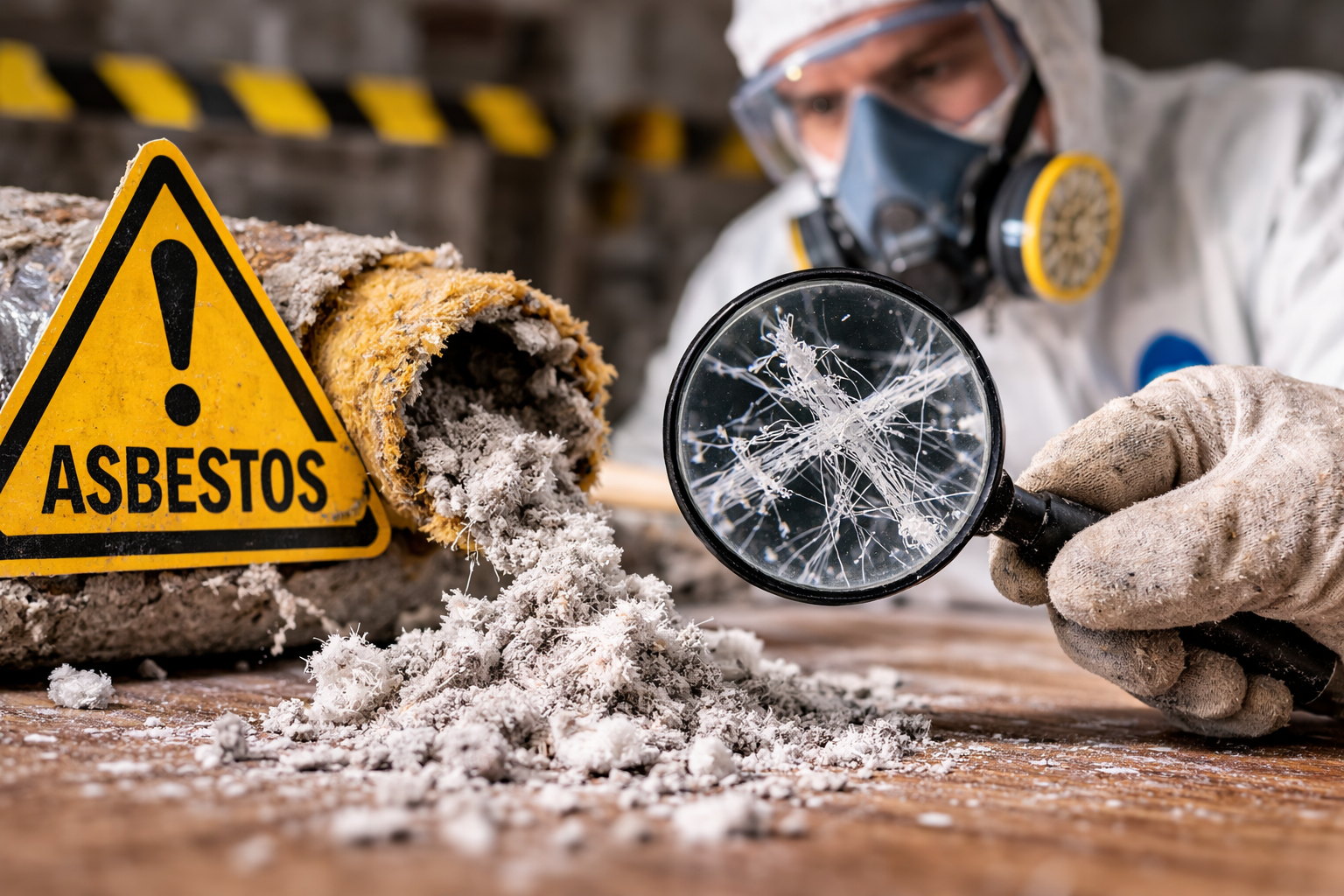
Asbestlint refers to fine fibrous dust or lint created from asbestos-containing materials. It forms when asbestos insulation, fabric, cement, or other products begin to degrade over time.
Asbestos was widely used in the past because of its remarkable properties. It is heat-resistant, durable, and an excellent insulator. Because of these characteristics, industries used asbestos in construction materials, fireproofing products, pipe insulation, brake pads, and roofing components.
Over time, however, these materials break down. When they do, they release tiny fibers into the air. These fibers often collect in the form of lint-like dust, which is commonly called asbestlint.
Although the fibers are microscopic, they can remain suspended in the air for long periods. This makes them easy to inhale without realizing it.
Why Asbestlint Is Dangerous
The main danger of asbestlint comes from inhalation of asbestos fibers. When these fibers enter the lungs, the body cannot break them down easily. Over many years, they can accumulate and cause serious health problems.
The risk increases when materials containing asbestos are disturbed. Renovations, drilling, demolition, or even heavy cleaning can release fibers into the air.
Health experts have linked asbestos exposure to several serious diseases. These conditions often develop slowly and may not appear until decades after exposure.
Some of the most concerning health risks include:
- Lung scarring that reduces breathing capacity
- Chronic respiratory problems
- Certain forms of cancer linked to asbestos exposure
- Long-term lung damage from fiber accumulation
Because of these risks, many countries now strictly regulate asbestos use and removal.
Where Asbestlint Is Commonly Found
Asbestlint is usually found in older buildings built before strict asbestos regulations were introduced. While newer structures rarely contain asbestos, older homes, offices, factories, and schools may still have materials that produce asbestos lint as they age.
Common areas where asbestlint may appear include insulation around pipes and boilers. Old heating systems were often wrapped in asbestos-based insulation that breaks down over time.
Ceiling tiles and wall panels in older buildings may also contain asbestos fibers. When these materials age or crumble, they can produce lint-like dust.
Another common source is old roofing materials or cement sheets. These materials may release fibers when damaged by weather, drilling, or renovations.
Textile factories and industrial sites where asbestos was processed historically can also contain high concentrations of asbestlint in hidden spaces such as ventilation systems and storage areas.
How to Identify Asbestlint
Identifying asbestlint can be difficult because asbestos fibers are extremely small and often invisible to the naked eye. In many cases, the lint-like dust may simply look like ordinary construction debris.
However, certain signs can indicate the possible presence of asbestlint.
If a building was constructed before the 1990s, there is a higher chance it may contain asbestos materials. Aging insulation or deteriorating pipe coverings may also produce fibrous dust.
Crumbling ceiling tiles, damaged wall panels, and old industrial equipment insulation can also release asbestos lint.
It is important to remember that visual inspection alone cannot confirm asbestos. Professional testing in a certified laboratory is the only reliable way to determine whether a material contains asbestos fibers.
Real-Life Example: Renovation Risks
Consider a homeowner renovating a house built in the 1970s. During the renovation, they remove old insulation around heating pipes. The material breaks apart easily and releases a dusty lint into the air.
Without realizing it, the homeowner sweeps the debris and continues working without protective equipment. Unfortunately, this action can release thousands of microscopic fibers into the air.
This scenario highlights why proper asbestos awareness is critical. Disturbing asbestos materials without precautions can create a dangerous exposure situation.
Professional inspection before renovations is always the safest option.
Safe Handling of Asbestlint
If you suspect the presence of asbestlint in a building, the most important rule is do not disturb it unnecessarily. Disturbing asbestos-containing materials increases the risk of fiber release.
The safest approach involves professional evaluation and controlled handling procedures.
Experts recommend the following steps:
- Avoid sweeping or vacuuming suspicious dust
- Do not drill, cut, or sand materials that may contain asbestos
- Seal off the area until professionals can inspect it
- Contact licensed asbestos inspection or removal specialists
Professionals use specialized equipment, protective suits, and containment systems to prevent fiber exposure during removal.
Asbestlint Removal Process
When asbestos-containing materials must be removed, trained professionals follow strict safety protocols. These procedures are designed to prevent fibers from spreading.
First, the work area is sealed using plastic barriers and negative air pressure systems. This prevents fibers from escaping into surrounding spaces.
Workers then wear protective clothing, respirators, and gloves. Specialized tools help remove asbestos materials carefully without breaking them apart.
Once removed, the waste is sealed in approved containers and transported to designated hazardous waste facilities.
Air quality testing is often performed afterward to confirm the area is safe for reoccupation.
Regulations and Safety Standards
Governments around the world have introduced strict regulations to control asbestos exposure. These rules apply to construction companies, building owners, and industrial facilities.
Regulations typically require professional inspection before renovation or demolition projects begin. Workers handling asbestos must receive proper training and use approved safety equipment.
Many countries have also banned the use of asbestos in new construction materials. However, existing buildings may still contain asbestos, making awareness and safe management essential.
Following these regulations helps reduce the risk of exposure and protects both workers and occupants.
Preventing Asbestlint Exposure
Preventing exposure to asbestlint begins with awareness and proper building management.
If you live or work in an older building, consider having it inspected for asbestos-containing materials. This is especially important before any renovation or demolition project.
Building owners should also maintain materials in good condition. Asbestos products that remain intact and undisturbed are less likely to release fibers.
Regular maintenance, proper sealing, and professional inspections can greatly reduce the chances of asbestos lint formation.
The Importance of Professional Testing
Because asbestos fibers are microscopic, laboratory testing is the only reliable way to confirm their presence.
Certified inspectors collect small samples of suspicious materials and send them to accredited laboratories. These labs use specialized microscopes to identify asbestos fibers accurately.
Testing provides clear answers and allows building owners to make informed decisions about removal or containment.
Attempting to test materials yourself is not recommended, as improper handling can release fibers into the air.
Conclusion
Asbestlint may appear as simple dust or fibrous debris, but it can represent a serious health risk when it contains asbestos fibers. These microscopic particles can linger in the air and cause long-term health problems if inhaled.
Understanding where asbestlint comes from, how it forms, and how to manage it safely is essential for anyone dealing with older buildings or industrial sites.
The safest approach is always prevention. Avoid disturbing suspicious materials, seek professional testing when necessary, and rely on trained specialists for removal.
By staying informed and taking the proper precautions, you can protect yourself, your family, and your workplace from the hidden dangers of asbestos exposure.
If you suspect asbestos in your property, consider contacting a certified asbestos inspection professional today to ensure your environment remains safe.
FAQs
What does asbestlint look like?
Asbestlint often appears as fine, dusty fibers or lint-like debris. However, it usually cannot be confirmed visually because asbestos fibers are microscopic.
Is asbestlint always dangerous?
Not always. The danger depends on whether the lint contains asbestos fibers and whether those fibers become airborne. Professional testing is required to confirm the risk.
Can I remove asbestlint myself?
Removing suspected asbestos materials yourself is not recommended. Professional asbestos removal specialists have the equipment and training needed to handle it safely.
How do professionals test for asbestos?
Inspectors collect small samples of materials and send them to specialized laboratories. Advanced microscopes are used to detect asbestos fibers in the samples.
Is asbestos still used today?
Many countries have banned or restricted asbestos use. However, older buildings may still contain asbestos materials that can produce asbestlint as they age.

